The hardware crossed a threshold
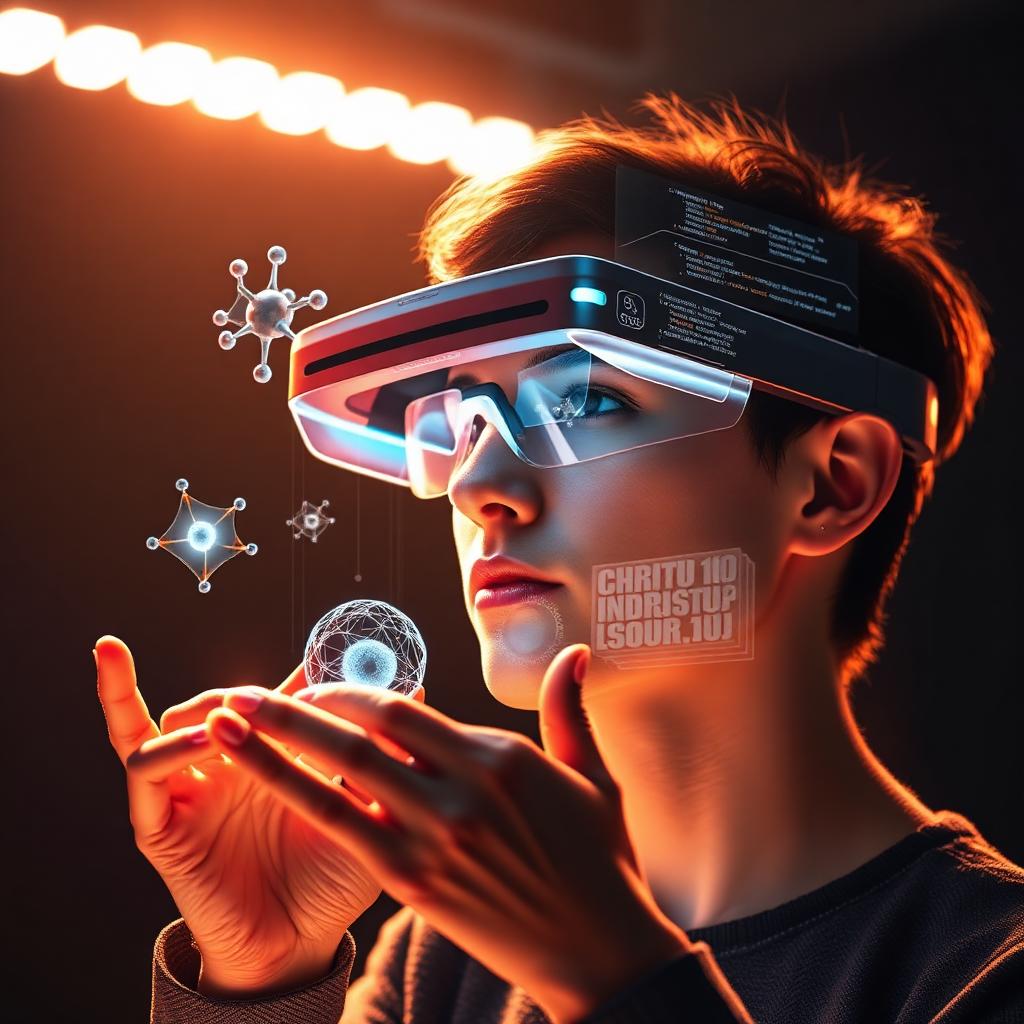
Sub-300-gram headsets, all-day battery, and color passthrough that doesn't make you nauseous changed the conversation. XR learning isn't a quarterly demo anymore — it's a Tuesday-afternoon onboarding session for new field technicians.
Where it actually wins
XR is dominating training where the cost of doing it wrong is high or the equipment is scarce: surgical simulation, electrical safety, heavy machinery operation, lab protocols, and emergency response. The pattern is consistent — high-stakes, hands-on, expensive to reproduce in the real world.
Spatial cohorts
The unlock for 2026 wasn't graphics; it was presence. Learners join shared rooms with persistent objects, can hand each other parts, and an instructor can be embodied as a guide that walks around the simulation pointing at things. It feels less like a video call and more like a workshop.
What still doesn't work
Long-form theory, reading-heavy material, and group discussion are still better on a laptop. XR is a hammer; not everything is a nail. The best 2026 curricula blend a 90-minute XR lab into an otherwise normal week of reading, video, and practice.
Designing for it
Treat the XR session like a field trip: tightly scoped objectives, a clear before-and-after assessment, and a debrief back in the LMS. The platforms making this easy — including LearnSpace — let creators drop an XR lesson into the same content tree as any other block.